
Nippombashi Den-Den Town: a self-guided half-day for used games, figures and the new tax refund
I’m a product designer from Vancouver on a ten-night stay in Osaka, working two mornings a week and leaving the afternoons free. I wanted one half-day I could run on my own: used games, a couple of small figures, and a route I wouldn’t have to walk twice.
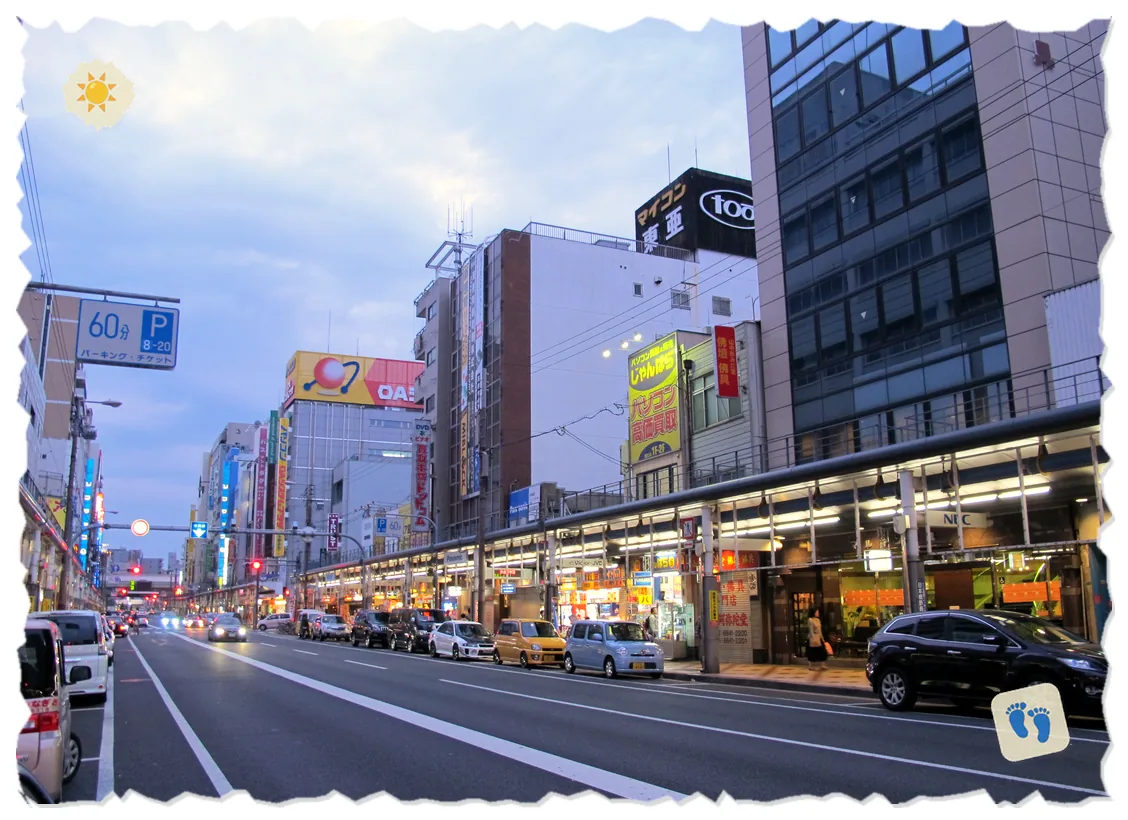
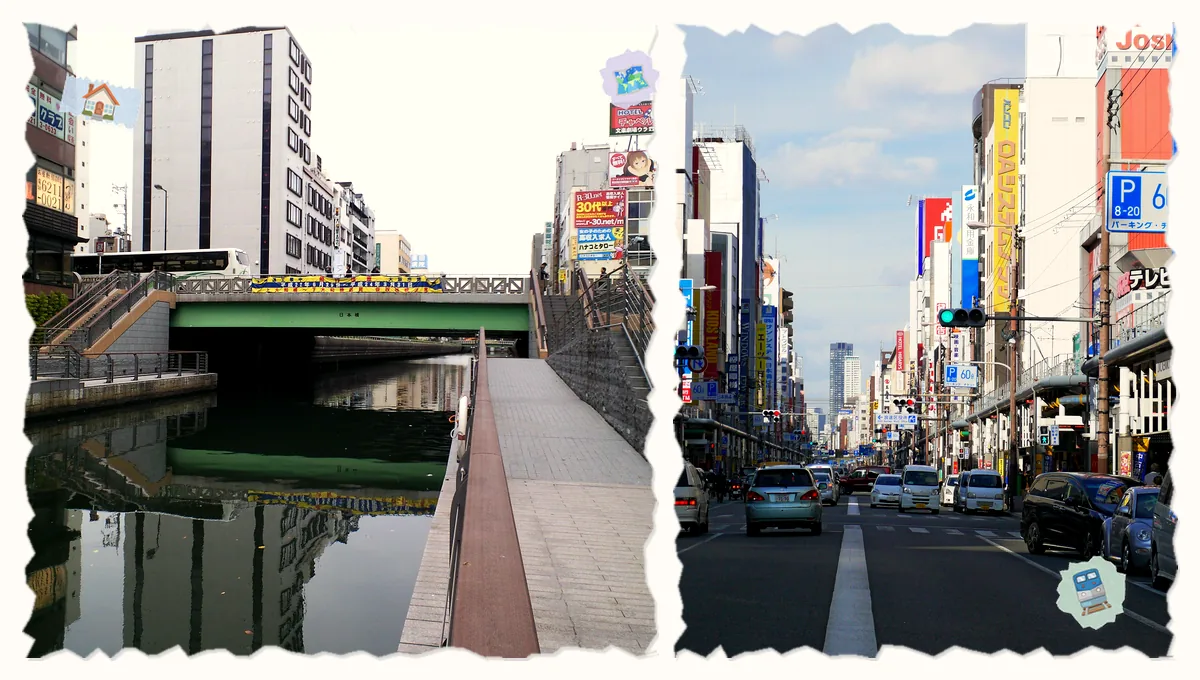
Osaka’s Den-Den Town (でんでんタウン) is the city’s electronics and hobby district—often compared to Tokyo’s Akihabara, but compact enough for an afternoon. The main street is Sakaisuji, from Osaka Metro Nippombashi in the north down to Ebisucho in the south. One block west is the narrower Ota-Road (Otaku Road), packed with smaller hobby shops. Pin “Nippombashi, Osaka” or “Den-Den Town” in your map app; Tokyo also has a Nihonbashi, and the two names collide in English searches.
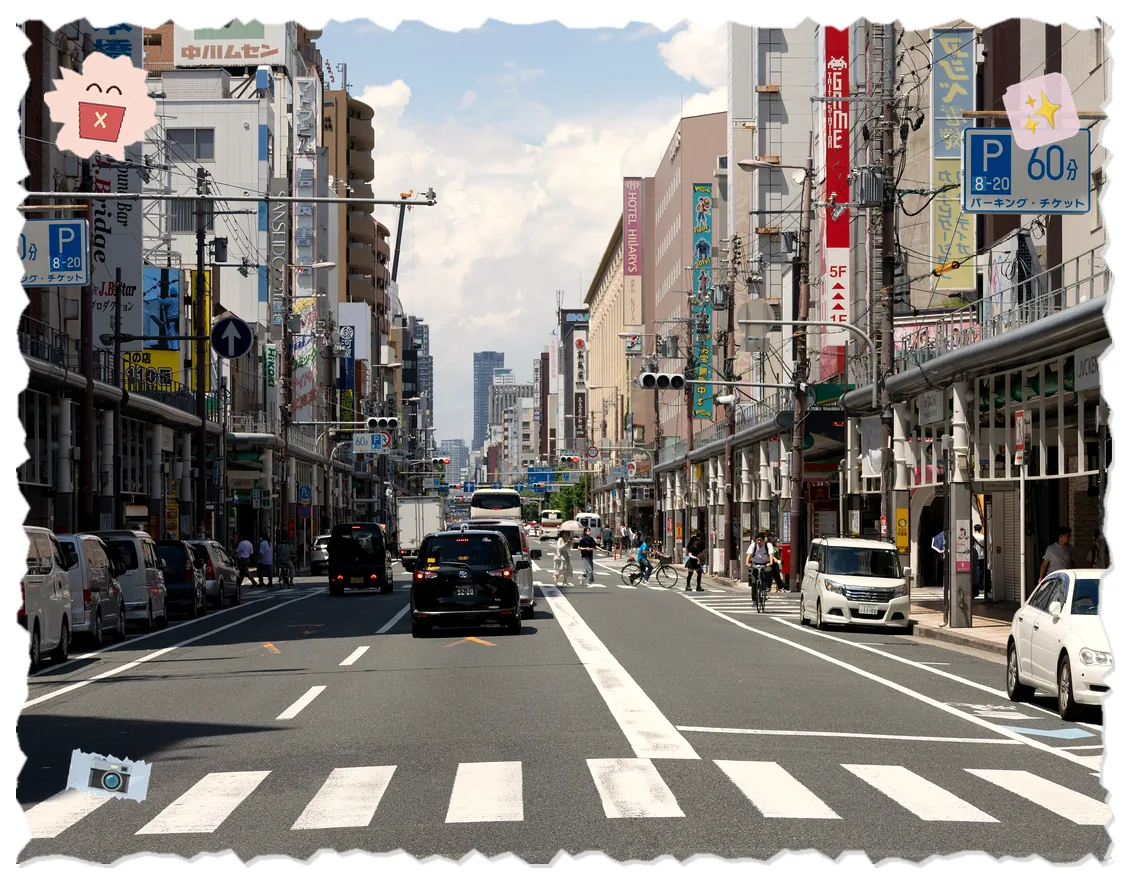
Getting there on your own
From Kuanju Osaka I walk about three minutes to JR Sakuranomiya. Two routes I actually use:
- Via Tsuruhashi: take the JR Osaka Loop Line toward Tsuruhashi (the Kyobashi direction), get off at Tsuruhashi, and transfer to the Osaka Metro Sennichimae Line two stops to Nippombashi (S17).
- Via Ogimachi: ride the Loop Line one stop to JR Tenma, walk to Ogimachi Station on the Sakaisuji Line, and stay on that line south to Nippombashi. The same train continues to Ebisucho if you prefer to start at the south end and walk north.
Nippombashi is also on the Kintetsu line. An ICOCA or another compatible IC card (or a phone wallet) covers the hops; check the fare on the day rather than a screenshot. If you are already in Namba, you can walk—it’s a short stroll, but follow the map rather than a memorised exit number. The station gates have a convenience store; I buy water there before going up, because drinks machines are uneven once you’re on the shopping streets.
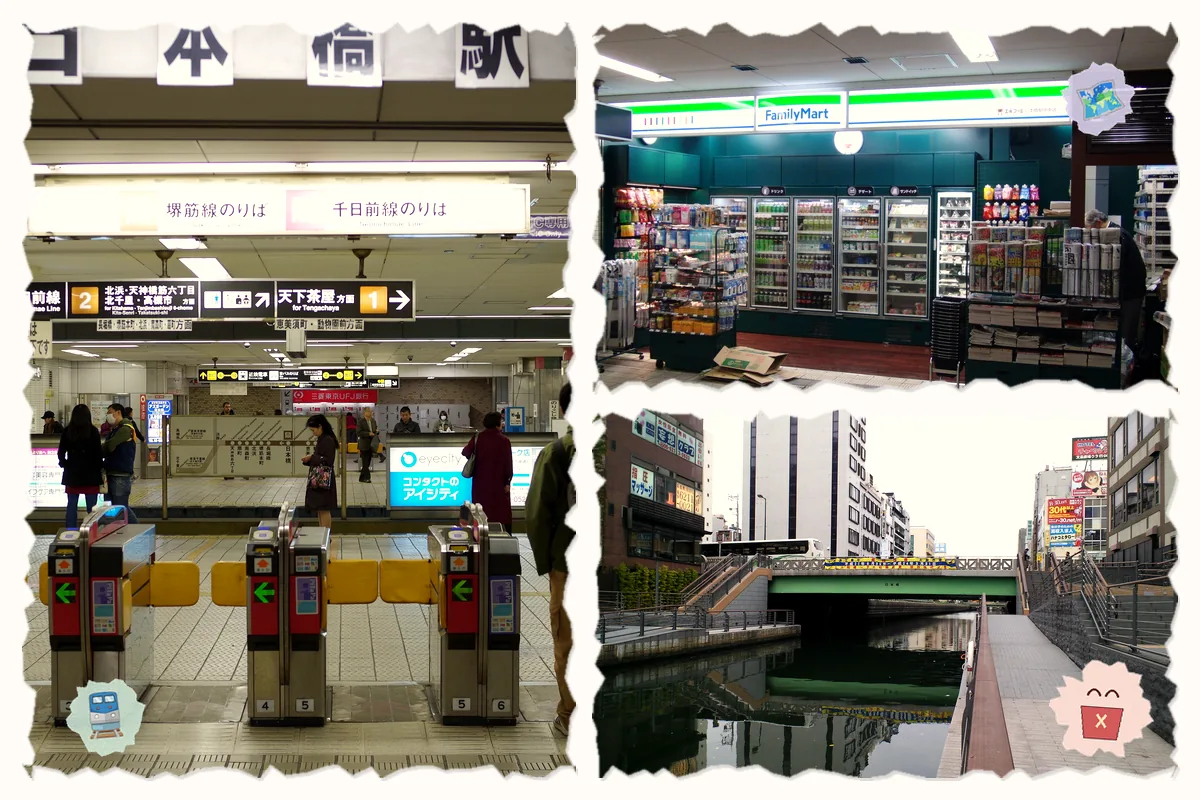
When the shutters actually go up
There is no single opening time for the district. Many shops start between 10:00 and 11:00, and each store sets its own closing time and regular holiday. The Nippombashi tourist information centre is listed as 11:00–19:00, closed on Wednesdays (the following day if Wednesday is a public holiday), with year-end exceptions—confirm on the official street site before you go.
I don’t arrive at 9:00. I eat near Namba or Kuromon first, then start on Sakaisuji after lunch. Weekday afternoons are calmer for browsing used-game shelves; weekend afternoons get tight on Ota-Road.
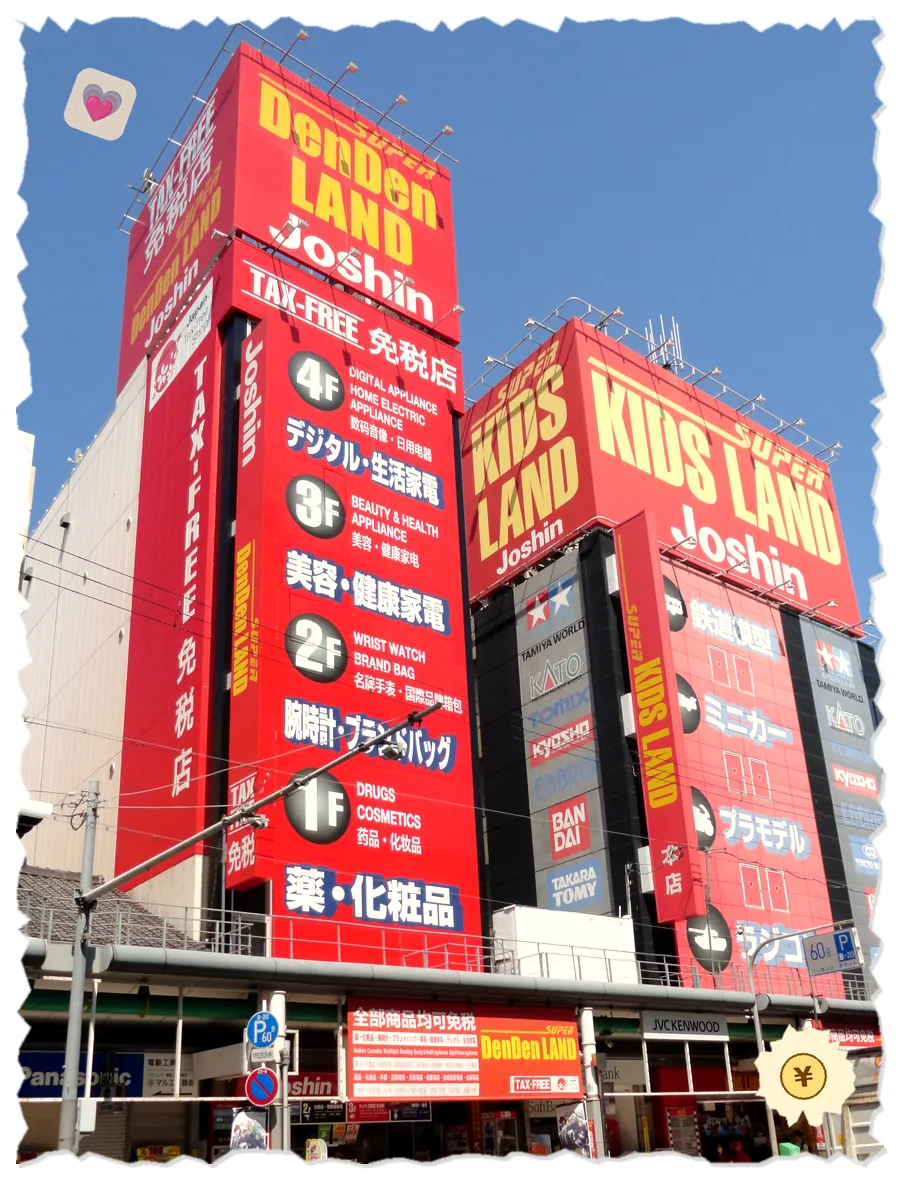
A north-to-south half-day (times are a sketch)
- After lunch — come out at Nippombashi and walk south on Sakaisuji. Large electronics and model shops are useful first: you get a sense of prices before you spend.
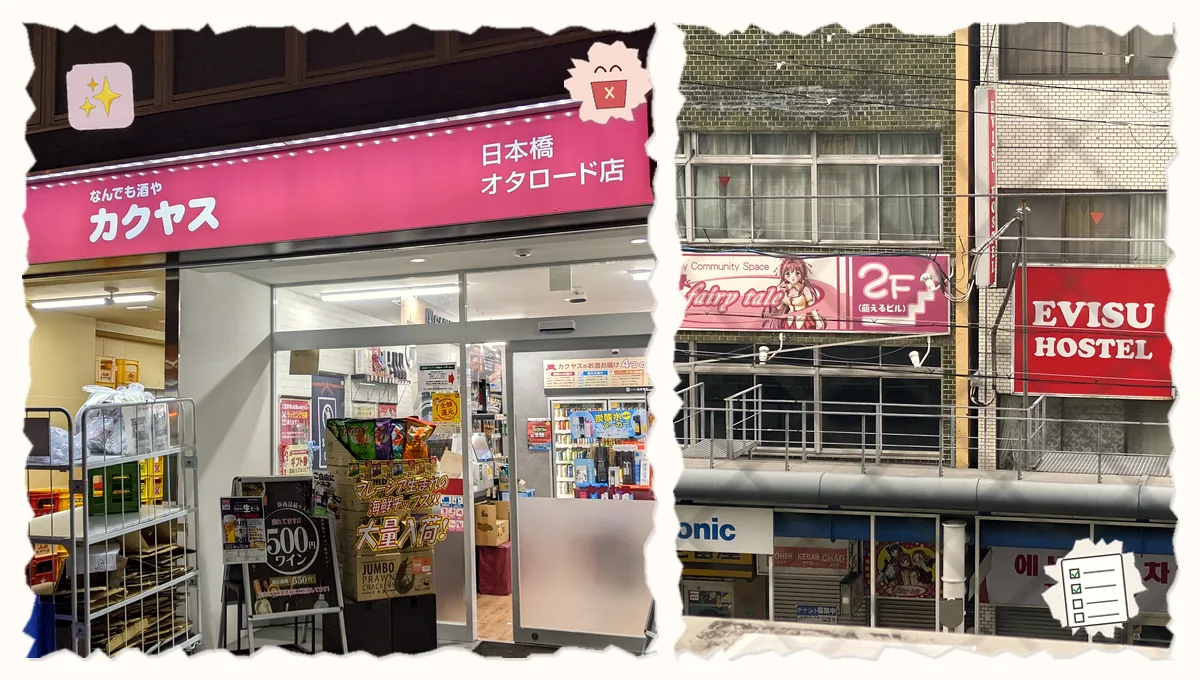
- Mid-afternoon — cut one street west into Ota-Road for smaller hobby, card and capsule-toy shops. Set a budget before you turn the corner.
- Later afternoon — return to the mid and south stretch of Sakaisuji for used-game stores. I photograph price tags on the first pass and buy on the way back, because the same title can differ from shop to shop.
- Early evening — continue to Ebisucho. Shinsekai and Tsutenkaku are right there if you want kushikatsu before the ride home.
I walk this as a one-way line so I’m not dragging bags back to the first station.
Used games and figures: what I check before I pay
Price tags in used shops often show condition in a few short Japanese phrases. These are the ones I look for:
- 箱説あり — boxed, with the manual.
- 箱なし / ソフトのみ — loose cart or disc, no box.
- ジャンク — sold as-is, often faulty; I treat it as parts unless I can repair it.
I also check region locks against my own console, remember that older Japanese hardware is 100V, and assume a save battery in an old cartridge may be dead. For figures, I measure the space left in my suitcase before I buy anything in a large box—or I take the figure and flatten the box.
Large electronics stores and some used-goods chains can process tax-free sales; many small shops cannot, and cash is still useful. Bring your passport, not a photo of it.
Tax refund: pay first, get it back at the airport
From 1 November 2026, Japan moved tax-free shopping to a refund-at-departure system. In the shop you pay the tax-inclusive price and register your passport. The refund is made after a customs check at the airport or seaport when you leave, within 90 days of purchase. Complete that check before you check in luggage. Eligibility is generally purchases of 5,000 yen or more (tax excluded) per store per day; goods must leave Japan with you, and consumables used in Japan may not qualify. Details change—I check the Japan Customs refund page and the Kansai Airport refund page the week I fly.
Before you head out
- Pin Nippombashi and Ebisucho, plus a dinner option at the south end if you want one.
- Check the official street site and the shops you care about for hours and holidays that day.
- Leave room in your bag, and don’t pack tax-free items into checked luggage until the airport terminal has cleared them.
- Confirm the Loop Line direction back to Sakuranomiya in your map app rather than from memory.
Useful links: Nippombashi official site · Osaka Metro Nippombashi · Japan Customs tax refund · Kansai Airport tax refund
Make your next Osaka trip a shared stay
Enter your dates and full guest count to see live availability and the whole-house total. Check children’s details, accommodation tax, check-in times and cancellation terms before paying.
 Booking.com
 Airbnb
 Agoda
No payments are taken here. Book, pay and message the property through Booking.com or Airbnb.