
Tenma Market self-catering: a one-week grocery plan for short stays in Osaka
I’m a remote software tester from Melbourne on a twelve-night work stay in Osaka. I work Australian hours, so dinner at home is what keeps my evenings sane—and my budget intact.
Eating out every night in Osaka is fun for about three days. After that I want a kitchen, a cutting board and a market I can walk to with an empty tote. For me that market is Tenma: the Tenma Ichiba food hall inside the Purara Tenma building, right by JR Tenma and Ogimachi stations, plus the long covered Tenjinbashisuji shopping street next to it. Below is the plan I actually use for one week—what to buy on which day, so nothing rots and nothing goes in the bin on checkout morning.
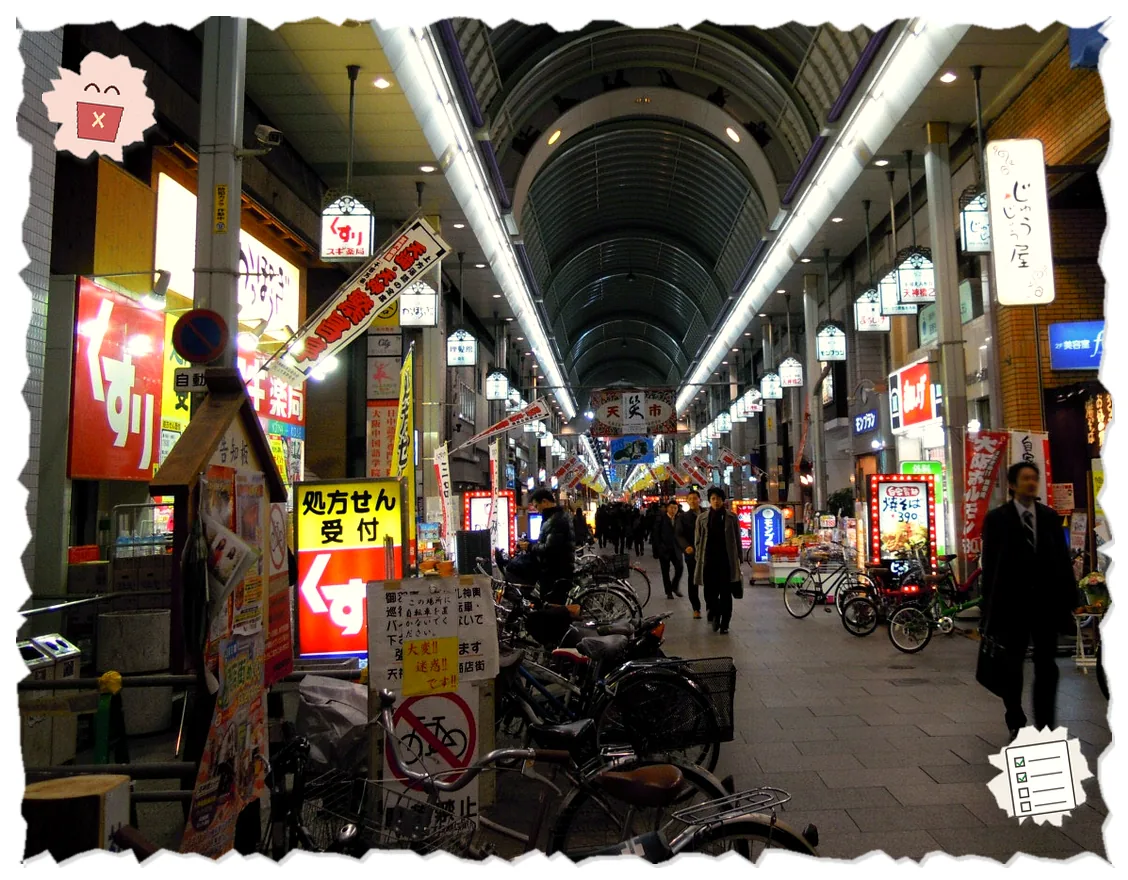
Getting there on your own
From Kuanju Osaka I walk about three minutes to JR Sakuranomiya and ride the Osaka Loop Line one stop toward Osaka Station—Tenma is literally the next station. The market is a short walk from the station; I pin “Tenma Ichiba” or “Purara Tenma” in my map app rather than just “Tenma”, because Tenma Station, Osaka Tenmangu shrine and the shopping street are three different pins.
- IC card: an ICOCA (or a compatible IC card / phone wallet) is the least hassle for one-stop hops. Fares change, so check the fare chart rather than a screenshot.
- Subway option: Ogimachi Station on the Sakaisuji Line is also close to the market, handy if you are coming from Nippombashi or Tengachaya.
- Walking back: on a dry day with light bags I sometimes walk home—roughly 20 minutes. With fish and a two-litre bottle, I take the train.
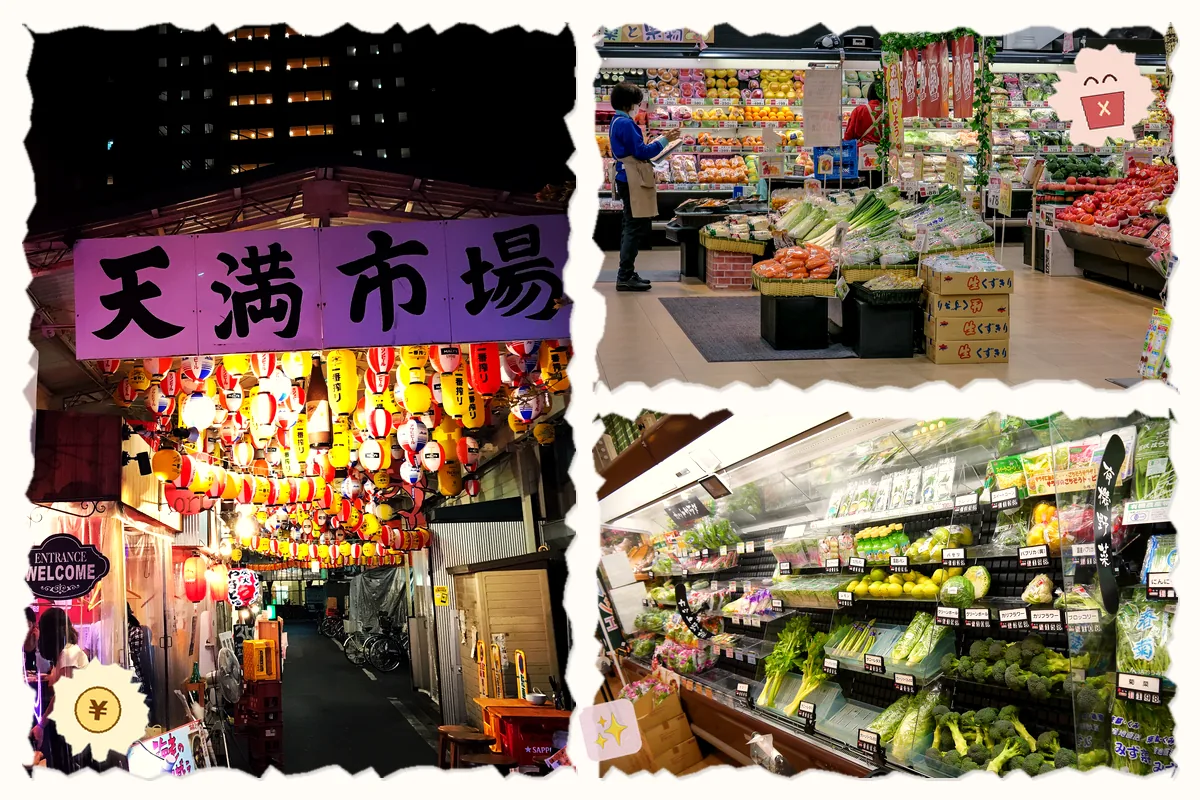
What is where (so you shop with a plan)
The building is small enough to lap in fifteen minutes, which is exactly what I do before buying anything. Per the market’s own floor map:
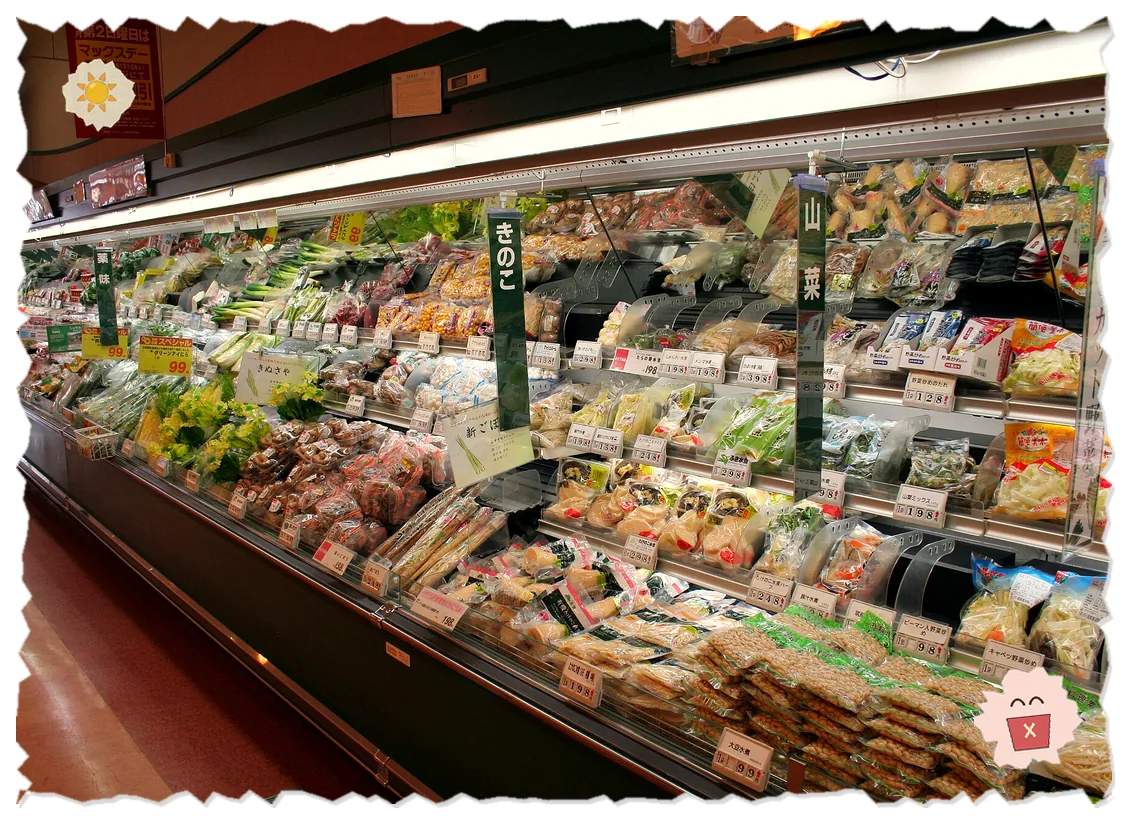
- B1: vegetables and fruit, fresh fish, beef and chicken, eggs, a tempura counter, and the Pro-Mart supermarket for pantry basics.
- 1F: the densest stalls—more fish, greengrocers, pickles, kombu, dried goods and seasonings, fish cakes, a rice shop, Chinese and Korean groceries, a sushi shop, and a packaging-supply store (useful for cool bags).
- 2F: a café if you need to sit down.
Opening times differ from shop to shop, some stalls have their own closing days, and the market closes for the first days of January. I don’t memorise hours—I check the market site’s notices on the day.
The one-week plan
Day 1 – arrival, staples only. I hit Pro-Mart for rice (or a small bag from the rice shop), soy sauce, cooking oil, salt, eggs, a bag of greens and breakfast fruit. Small bottles, not the big business-size ones—I only have twelve nights.
Day 2 – first real lap. Fifteen minutes of looking, then two dinners’ worth of vegetables and one protein. Market produce is often sold by the basket or bundle; if a pile is too big, I ask, but I don’t expect every stall to split.
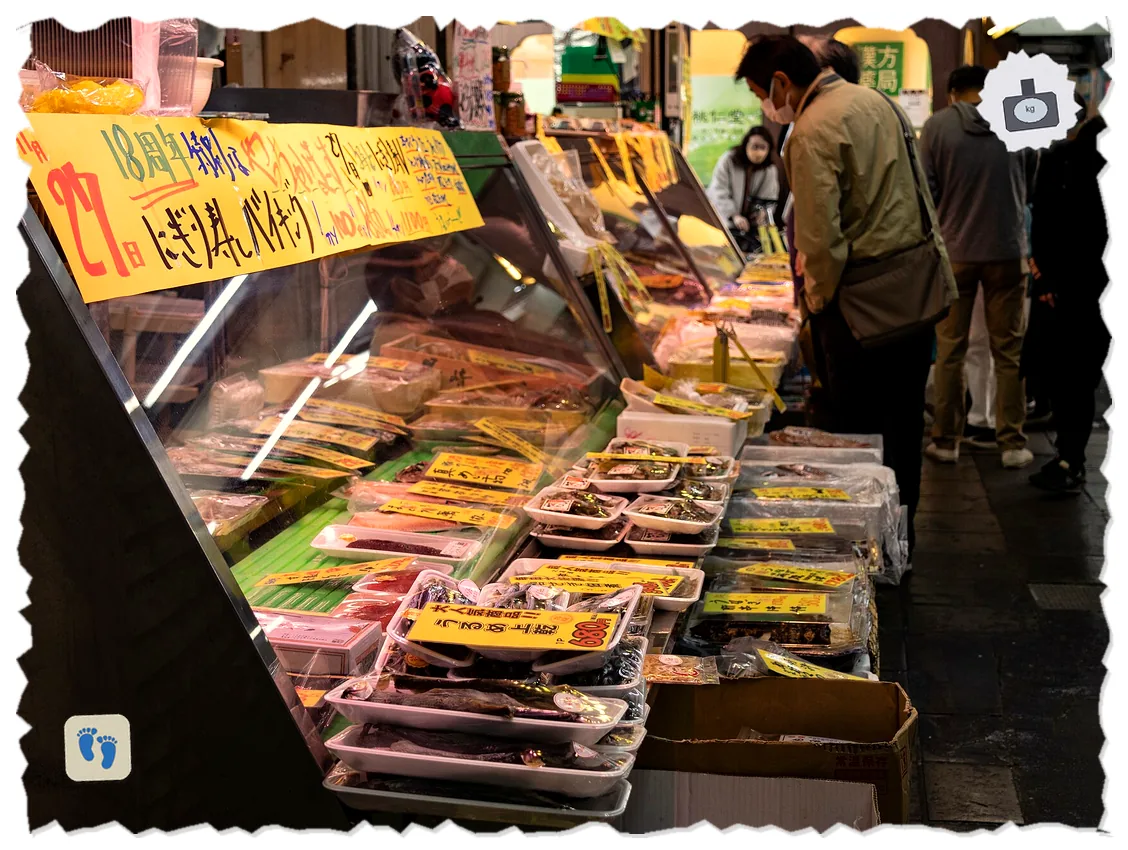
Day 4 – fish day. I buy fish for that same night only. Sashimi-grade packs and fillets are clearly labelled; if I can’t read the label, I photograph it and translate before paying. A cool bag from the packaging shop, or one I brought, makes the train ride home stress-free.
Day 5 – lazy night. Tempura or prepared side dishes from the counter plus rice at home. Cooking every single night is not the point.
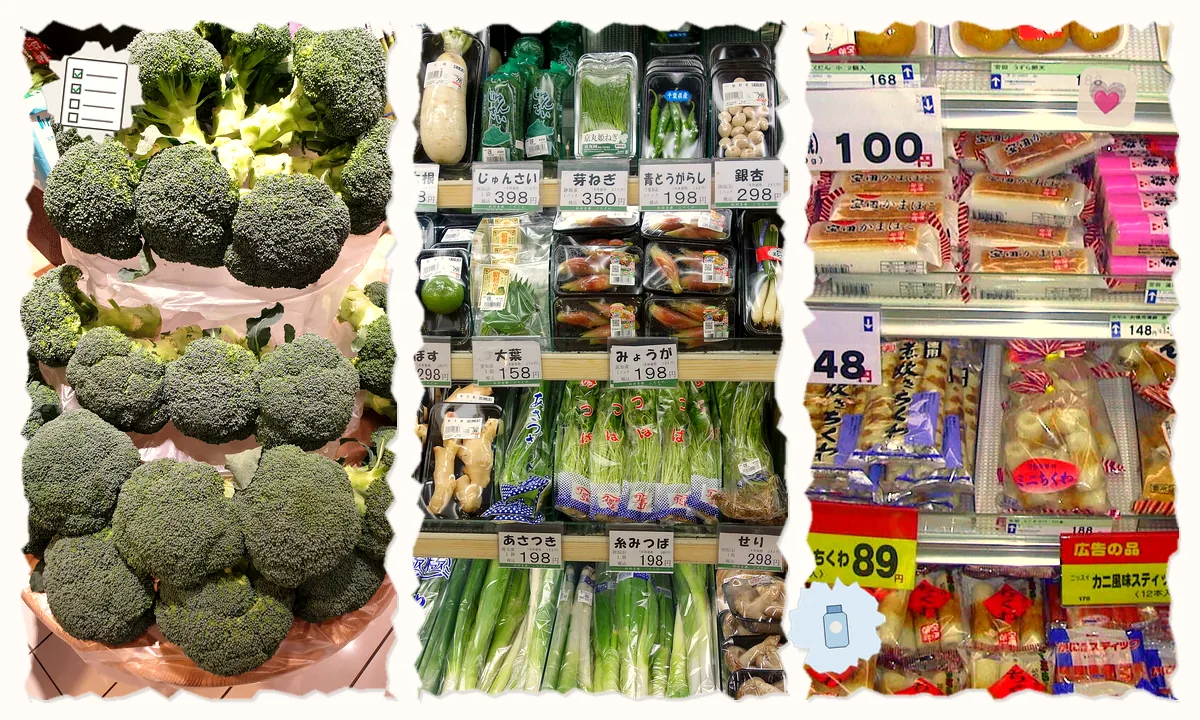
Day 6 – top-up and use-up. Before buying, I open the fridge. Half a cabbage plus fish cakes becomes a stir-fry; leftover herbs go in miso soup. I only replace what will be eaten by checkout.
Day 7 onward – repeat, then wind down. In my last three days I stop buying condiments altogether and shop meal-by-meal at the supermarket, so the fridge is empty on checkout morning.
Small things that saved me time
- Bring a tote and, if you can, a foldable cool bag. Market stalls may not hand out many bags.
- Carry some yen cash. Some stalls take cards or IC payment, many small ones prefer cash—check at the counter.
- Japanese rubbish sorting is strict. Rinse trays and bottles and follow the sorting guide where you stay.
- Don’t plan Osaka Castle or Shinsaibashi straight after the fish run. Groceries go home first.
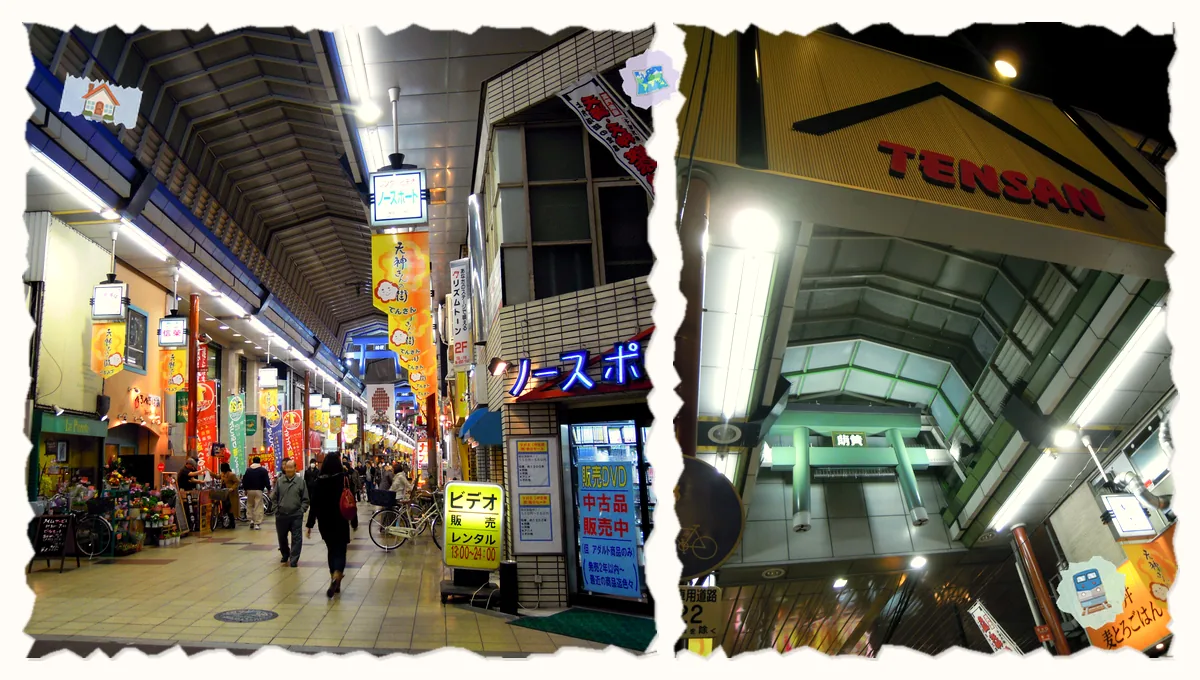
- The Tenjinbashisuji arcade is roughly 2.6 km of shops under a roof—great for household bits, snacks and a quick bite on rainy evenings.
Before you head out
- Check the market site for that day’s notices and holiday closures; stall hours vary.
- Plan tonight’s menu in one line before you leave—it stops impulse buys.
- Confirm the Loop Line direction for the trip back (toward Kyobashi for Sakuranomiya).
Useful links: Tenma Ichiba · Shop floor map · Tenjinbashisuji shopping street · JR West timetables